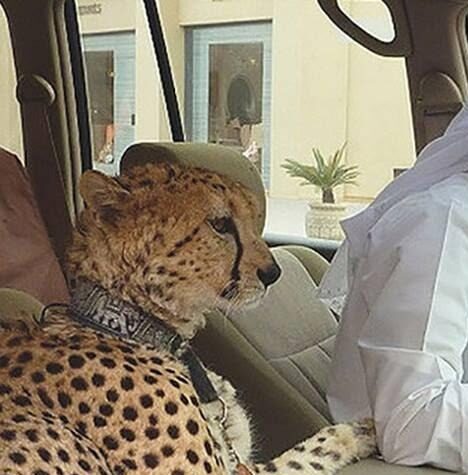
The United Arab Emirates has enacted a nationwide ban on the private ownership, trade, and breeding of wild and dangerous animals, including cheetahs, lions, and tigers. This legislation, effective since January 2017, prohibits individuals from possessing such animals unless they are housed in licensed facilities like zoos, wildlife parks, circuses, or research centers.
Violators face severe penalties, including fines up to 700,000 dirhams (approximately $190,000) and imprisonment for up to six months. The law aims to curb the use of exotic pets as status symbols and to promote animal welfare and biodiversity conservation.
An Overview of Exotic Animals Market in the UAE
The United Arab Emirates (UAE) has become a key hub for both the legal import and illegal trade of exotic animals, with a troubling focus on big cats like cheetahs. Between 2005 and 2012, the UAE legally imported 76 captive-bred cheetahs from South Africa, many from licensed facilities such as Al Bustan Zoological Centre, which has successfully bred numerous cubs.
However, illegal smuggling of wild-caught cheetah cubs remains a serious problem, with more than 20 seized since 2010, mostly trafficked from East Africa through Somalia and Yemen. Nearly half of these confiscated cubs die due to poor care during transit or in private homes. The black market prices for wild cubs range from $4,000 to $11,000, driven by demand from wealthy owners who keep them as exotic pets in risky conditions that endanger both animals and people. The illegal market is visible on regional e-commerce platforms, where hundreds of exotic animal ads, including cheetahs, lions, and tigers, often claim captive-bred status despite weak regulation outside licensed zoos.
In 2013, 78 illegal animals destined for the UAE were seized, with 64 confiscated in 2014 and just 27 taken at the border in 2015. In fact, Social media and news reports reveal frequent escapes and animal welfare issues, with vets reporting many young cheetahs falling ill or dying soon after private acquisition.
“In 2013, 78 illegal animals destined for the UAE were seized, with 64 confiscated in 2014 and just 27 taken at the border in 2015”.
The Most Owned Types of Exotic Animals in the UAE
In the UAE, exotic pets are diverse and highly sought after. Birds like parrots, cockatoos, and culturally significant falcons are popular, while reptiles such as iguanas, snakes, and tortoises are favored for their low-maintenance care. Small mammals, including sugar gliders, ferrets, and rabbits, attract owners with their size and unique behaviors. Despite legal restrictions, big cats like lions, tigers, and cheetahs are sometimes kept as status symbols and appear on social media. Rare cases, such as Patagonian maras found near Dubai, reveal the risks of escaped exotic pets.
Social Media Fuels the Illegal Trade of Exotic Animals in the UAE
In the UAE, social media plays a pivotal role in fueling the exotic animal trade, particularly involving endangered species like cheetahs. Platforms such as Instagram have become hotspots where celebrities and private owners showcase their exotic pets, often generating significant public interest and positive engagement. Studies reveal that the UAE has the highest social media presence related to exotic species displays in the Middle East, with 85% of featured animals listed under high protection categories like CITES Appendix I and II.
These online displays glamorize exotic pet ownership, inadvertently driving demand and facilitating illegal trade networks. Investigations have uncovered hundreds of social media accounts advertising live exotic animals, including cheetahs, where transactions are often negotiated privately through direct messaging. Despite efforts by platforms to crack down on wildlife exploitation, enforcement remains challenging, and the vast volume of posts promotes a thriving market.
What UAE’s Law Means for Private Exotic Pets?
The Federal Law No. 16 of 2007 on Animal Welfare, issued in September 2007 and later amended by Federal Law No. 18 of 2016, set a comprehensive legal framework for animal protection in the UAE. It was introduced by the UAE government through the Ministry of Climate Change and Environment. The law outlines the full responsibilities of animal owners, including the duty to provide food, shelter, veterinary care, and proper record-keeping, while strictly prohibiting abandonment or mistreatment.
Its executive regulations and related decrees specifically restrict or ban the private ownership of exotic animals, define housing and health standards, and regulate transport and display through licensing requirements. The law forbids cruel practices such as deprivation, confinement in unsuitable spaces, the use of electric shocks or sharp tools, and the administration of illegal drugs. It also prohibits forcing animals into activities that go against their nature, such as fights or dangerous performances. In practice, these measures protect exotic species by making private ownership illegal without proper authorization, allowing authorities to confiscate animals kept in violation of the rules, and imposing penalties on offenders.
UAE Cracks Down on Animal Welfare Violations
The UAE has taken firm action against violations of animal welfare laws. In 2020, the Public Prosecution issued a warning against the sale of sick or injured animals, a practice prohibited under Article 10 of Federal Law No. 16 of 2007, with offenders facing up to one year in prison and fines of up to AED 200,000 . The following year, Dubai authorities launched a crackdown on the illegal possession of wild and exotic animals, reinforcing the enforcement of laws governing private ownership . These measures underscore the country’s commitment to protecting animals and holding violators accountable.
The UAE’s federal law on exotic pet ownership is more than a crackdown. It shows a growing national commitment to wildlife protection. The law protects endangered species and challenges the idea that exotic animals are status symbols. Social media images of these animals in urban settings sparked public outrage and drove change. The Ministry of Climate Change and Environment partnered with the Emirates Animal Welfare Society and Emirates Park Zoo to raise awareness and promote humane treatment.
With its ban on owning and trading exotic animals, the UAE is taking a firm stand to protect wildlife and curb illegal trafficking. This law turns words into action, imposing strict penalties and setting a regional example in conservation. Yet, its true success will depend on enforcement and public awareness, ensuring that “Guardians of the Wild” becomes more than a title, it becomes a reality.
Copyright © 2026 Blue Arabi. All rights reserved.