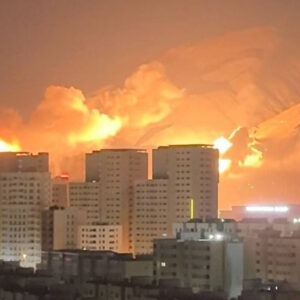
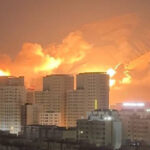
On February 1, 2026, herbicide was sprayed near the Blue Line in southern Lebanon, raising concerns over potential environmental contamination. Lebanese authorities later identified the substance as glyphosate in collected samples. The reported spraying has prompted questions about its impact on farmland, water, biodiversity and local livelihoods. The incident also raises wider concerns about environmental damage during armed conflict and accountability for its consequences.
Glyphosate Spraying Raises Environmental Concerns Along the Blue Line
On February 1, 2026, the Israeli military informed UNIFIL that it would conduct an aerial operation using what it described as a non-toxic chemical agent near the Blue Line. UNIFIL stated that this activity forced the peacekeepers to suspend more than a dozen operations for over nine hours.
UNIFIL supported the Lebanese Armed Forces in collecting samples for testing. On February 4, 2026, Lebanon’s Agriculture and Environment ministries said laboratory analyses had identified the substance as glyphosate, a herbicide. They reported concentrations in some samples at 20 to 30 times the levels they described as normally accepted.
The UN said the use of herbicides raised concerns about potential effects on agricultural land and the ability of civilians to return to their homes and livelihoods. It also noted that Israeli military activity north of the Blue Line constitutes a violation of UN Security Council Resolution 1701. Lebanese authorities said they were continuing field surveys and testing of soil, water and vegetation to assess the extent of the environmental and agricultural impact
Glyphosate: How the Herbicide Works and What Scientists Know
Glyphosate is a broad-spectrum, non-selective herbicide used to control weeds. Its chemical formula is C₃H₈NO₅P. It is the active ingredient in many herbicide formulations used in agriculture and other settings.
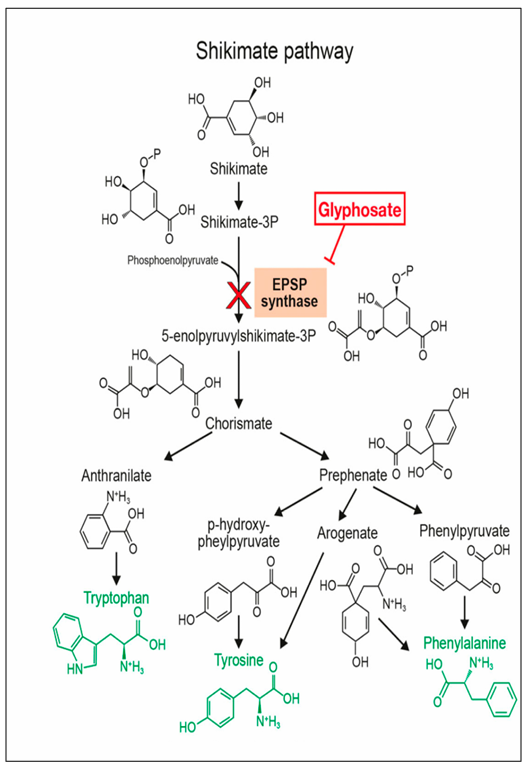
So, how does it work? Glyphosate inhibits an enzyme called 5-enolpyruvylshikimate-3-phosphate synthase (EPSPS). The enzyme is part of the shikimate pathway, which plants use to produce essential amino acids. Blocking this pathway disrupts plant growth and can eventually kill the plant. The pathway is not found in mammals.
Glyphosate can be absorbed through plant foliage and transported to other parts of the plant, including shoots and roots. Its environmental fate is more complex. The compound is highly soluble in water but can also bind strongly to soil particles, limiting its movement in some soils. Its persistence and potential movement depend on factors including soil properties and microbial activity.
From Roundup to the Cancer Debate
Glyphosate-based herbicides entered commercial use in the 1970s. Glyphosate was first registered in the United States in 1974. One of the best-known products containing the herbicide was Monsanto’s Roundup.
The widespread use of glyphosate later expanded with the development of herbicide-tolerant crops. Commercially introduced in 1996, these crops were genetically engineered to tolerate certain broad-spectrum herbicides, including glyphosate. This allowed farmers to apply glyphosate to fields after crops had emerged while controlling susceptible weeds.
Glyphosate is primarily used as a post-emergence herbicide, targeting weeds that have already emerged. It can also be applied before crop emergence in some agricultural systems.
Its potential health effects have been debated for decades. In 1986, the U.S. Environmental Protection Agency classified glyphosate as Group D, “not classifiable as to human carcinogenicity,” after reviewing available evidence.
The EPA’s assessment has since changed. In its 2017 assessment, the agency concluded that glyphosate was “not likely to be carcinogenic to humans.” Its current review is ongoing. The EPA notes that the International Agency for Research on Cancer (IARC) reached a different conclusion, classifying glyphosate as “probably carcinogenic to humans” in 2015. The two assessments used different approaches to evaluating hazard and risk.
“The EPA notes that the International Agency for Research on Cancer (IARC) reached a different conclusion, classifying glyphosate as “probably carcinogenic to humans” in 2015.”
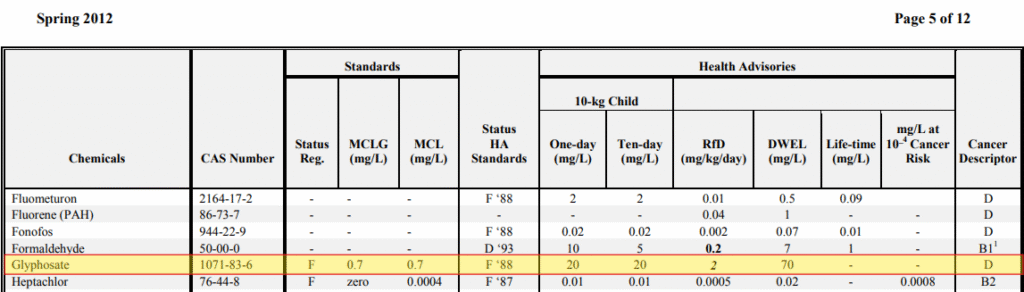
concerns. The impact of high glyphosate levels also extends to crop nutrition and health, which could affect seasonal harvests or, more concerningly, the dietary health of its consumer population.
What Does the Research Say About Health Risks?
Research published over the past decade has continued to examine the potential health effects of glyphosate exposure. Studies have investigated possible associations with changes in the gut microbiome, liver effects, neurological outcomes and other health conditions. However, findings vary, and the level of risk depends on factors such as dose, exposure route and duration.
“Studies have investigated possible associations with changes in the gut microbiome, liver effects, neurological outcomes and other health conditions. However, findings vary, and the level of risk depends on factors such as dose, exposure route and duration.”
Some experimental studies have reported neurological effects following prolonged or high-level exposure. One proposed mechanism involves changes in NMDA receptors, which play a role in communication between nerve cells. However, evidence from laboratory and animal studies cannot automatically be applied to human exposure.
The debate over glyphosate’s potential carcinogenicity has also continued. In 2015, the International Agency for Research on Cancer (IARC) classified glyphosate as “probably carcinogenic to humans” (Group 2A). IARC’s classification identifies a potential hazard and does not determine the cancer risk associated with a particular level of exposure. Other regulatory bodies, including the U.S. Environmental Protection Agency, have reached different conclusions about glyphosate’s carcinogenic potential.
This difference in assessments has contributed to an ongoing scientific debate. For Lebanon, the uncertainty is compounded by limited publicly available information about the specific formulation, concentration and quantity of the herbicide reportedly used along the border. Determining the potential environmental and health impact therefore requires testing of soil, water, vegetation and other relevant exposure pathways.
Lessons From Previous Herbicide Use in Gaza
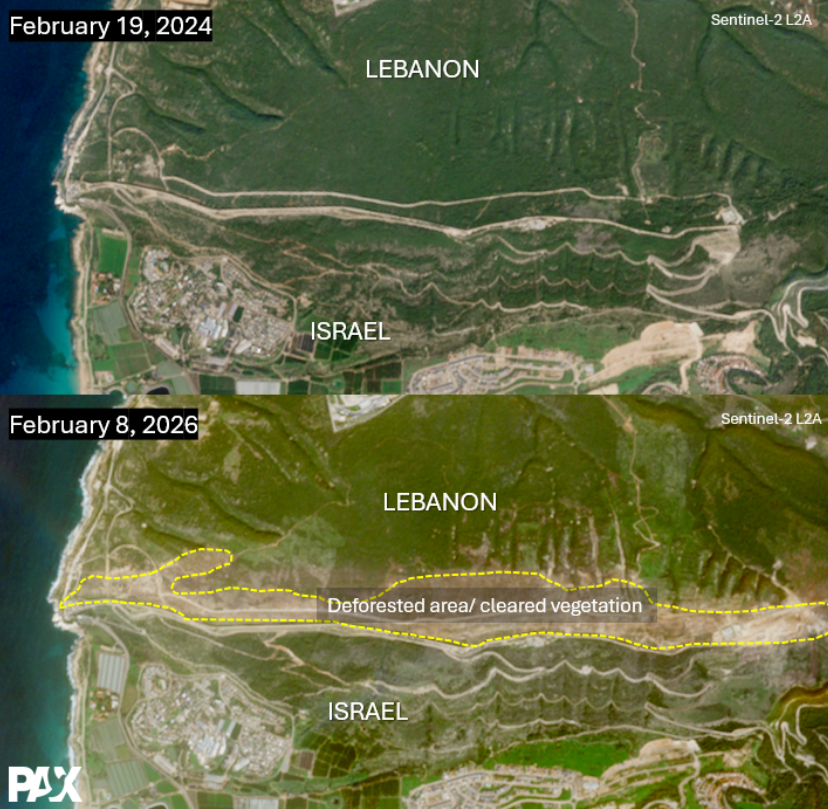
Assessing the environmental impact of herbicide spraying in southern Lebanon remains difficult. The region has already experienced extensive damage from airstrikes, fires and the destruction of vegetation linked to the conflict. Separating the effects of herbicide exposure from other sources of environmental damage will require further field research.
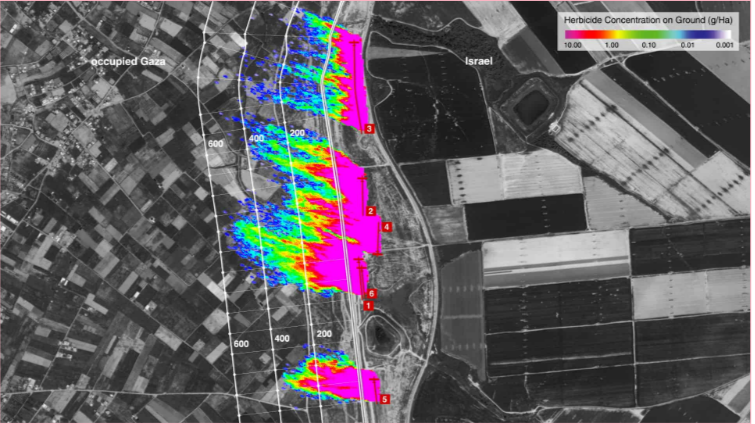
Previous herbicide spraying along the Gaza-Israel border offers a point of comparison. In April 2017, Israeli aircraft conducted aerial spraying near the border. Palestinian farmers subsequently reported damage to crops in areas near the spraying zone. Researchers and human rights organizations have also documented concerns about herbicide drift, which can carry chemicals beyond the intended application area depending on wind and weather conditions.
“Researchers and human rights organizations have also documented concerns about herbicide drift, which can carry chemicals beyond the intended application area depending on wind and weather conditions.”
The experience in Gaza has raised questions about the potential effects of aerial herbicide use on agricultural land and vegetation. However, the extent of those effects depends on factors including the substance used, its concentration, application method and environmental conditions.
In southern Lebanon, authorities are still assessing the situation. Soil, water and vegetation testing will be important for determining whether glyphosate contamination has occurred and, if so, how far it has spread. Such findings will also help assess potential implications for agriculture, ecosystems and local livelihoods.
Agriculture Under Economic Pressure
The potential loss of agricultural land could add pressure to Lebanon’s already fragile economy. Agriculture accounts for a relatively small share of national economic output, but it supports livelihoods and contributes to food production and exports. Damage to farmland can therefore affect both agricultural income and employment, particularly in rural areas.
The sector has also provided a source of employment for vulnerable communities. According to the World Bank, agricultural activity has helped generate employment and partly cushion the effects of Lebanon’s broader economic crisis, including for poorer non-Lebanese households.
Lebanon has faced a severe economic and financial crisis since 2019. Long-standing fiscal imbalances, high public debt, banking-sector weaknesses and political instability contributed to the collapse. The crisis has also reduced investment and access to capital.
Conflict has added further pressure. Displacement, damage to productive infrastructure and disruptions to tourism and agriculture have affected economic activity. Any additional loss of agricultural land or production in southern Lebanon could therefore place further strain on livelihoods and local food systems. However, the economic impact of the reported herbicide spraying cannot yet be quantified without evidence of the extent of contamination and agricultural damage.
Agriculture Under Economic Pressure
What could further agricultural damage mean for Lebanon’s economy? Agriculture accounts for around 9% of the country’s GDP and remains an important source of income for rural communities. A 2025 FAO assessment estimated $118 million in agricultural damage and $586 million in losses between October 2023 and November 2024. Southern Lebanon was among the areas most affected.
“A 2025 FAO assessment estimated $118 million in agricultural damage and $586 million in losses between October 2023 and November 2024. Southern Lebanon was among the areas most affected. “
The impact extends beyond damaged fields. Losses to crops, irrigation systems, farms and other productive assets can reduce farmers’ incomes and disrupt local agricultural markets. In April 2026, FAO reported that farmers in affected areas were facing damaged farmland, limited inputs and disrupted markets.
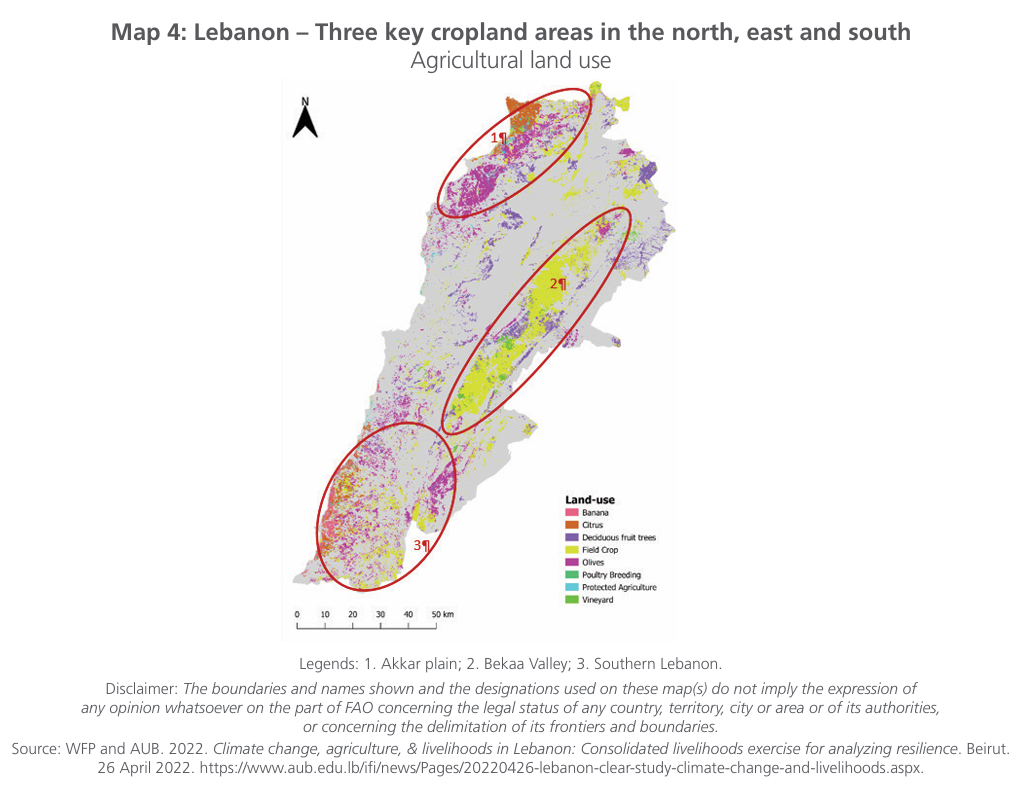
Southern Lebanon is particularly important for several crops. Before the conflict, the South accounted for 64% of Lebanon’s citrus trees, 94% of its banana plantations and 15% of its olive trees, according to a World Bank assessment.
The wider economic context adds to these pressures. Lebanon has been dealing with a severe financial and economic crisis since 2019. The World Bank says the crisis caused the Lebanese pound to lose 98% of its value and pushed more than a third of the population into poverty.
Food security is another concern. FAO reported in January 2026 that around 874,000 people, or 17% of the population assessed, were facing Crisis or Emergency levels of acute food insecurity between November 2025 and March 2026
Can Environmental Destruction Be Prosecuted as Ecocide?
Who can hold perpetrators accountable for environmental destruction during conflict? International law already provides some protections for the environment. The International Law Commission adopted draft principles on the protection of the environment in relation to armed conflicts in 2022. Existing international criminal law can also address environmental damage when it is connected to crimes within the ICC’s jurisdiction.
However, ecocide is not currently a standalone crime under the Rome Statute. The idea of adding it as a fifth international crime has gained support from some states and civil society groups. In 2021, an independent panel of legal experts convened by the Stop Ecocide Foundation proposed a definition covering unlawful or wanton acts committed with knowledge that they were likely to cause severe and either widespread or long-term environmental damage. The proposal has not been incorporated into the Rome Statute. The ICC’s Assembly of States Parties continues to consider proposed amendments through its Working Group on Amendments.
Copyright © 2026 Blue Arabi. All rights reserved.